Claim Your Free Estimate Today
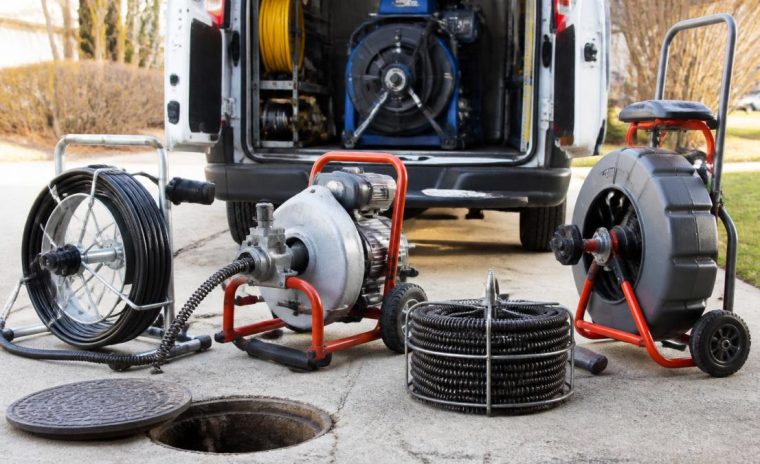
Table of Contents
- Why Homeowners Look for Roto-Rooter Alternatives
- Local Plumber vs. Roto-Rooter: What Sets Them Apart
- Key Services to Compare Across Sewer Repair Providers
- Trenchless Sewer Repair: A Modern Alternative to Excavation
- Questions to Ask a Sewer Repair Company Before You Hire
- How to Evaluate and Compare Service Estimates
- Frequently Asked Questions
Last Updated: October 6, 2026
Why Homeowners Look for Roto-Rooter Alternatives
Homeowners search for a Roto-Rooter alternative for sewer repair because national chains often charge premium prices, response times can stretch past what emergencies allow, and many owners prefer local businesses that know their plumbing challenges.
At Acclaimed Drain And Plumbing Solutions, LLC, homeowners want three things: transparent pricing, fast service, and technicians who explain what’s wrong before recommending expensive repairs.
Trenchless technology, camera diagnostics, and financing weren’t widely available a decade ago. Understanding your options lets you decide based on needs, not brand recognition.
Local Plumber vs. Roto-Rooter: What Sets Them Apart
The useful question isn’t “local or national?” It’s “which operating model fits this repair, timeline, and budget?”
How the two models typically differ
| Factor | Local independent plumber | National franchise chain |
|---|---|---|
| Who owns the business | Owner-operator or small local company | Franchisee operating under a national brand |
| Pricing structure | Often flat-rate or time-and-materials set locally | Standardized pricing set at the franchise or corporate level |
| Dispatch radius | Serves a defined local area, so drive time is short | Coverage varies widely by franchise territory |
| Technician consistency | Often the same tech or small crew returns | Rotating technicians are common |
| Diagnostic equipment | Varies, confirm camera and jetting capability | Usually standardized across locations |
| Warranty terms | Set by the local company; ask for it in writing | Set by the franchise; ask for the specific terms |
| After-hours availability | Depends on the shop; many run 24/7 | Advertised 24/7, but actual response varies by territory |
What actually drives the difference
Overhead is the biggest structural gap. A national brand spends heavily on advertising, franchise fees, and corporate support, recovering those costs through each job.
Dispatch geography matters more than most homeowners realize.
Where the national model can win
It would be misleading to say local always beats national. National franchises offer real advantages:
- Standardized process. Corporate training and scripted diagnostics mean a more predictable experience across locations.
- Brand-backed guarantees. Some national warranties are honored across franchise territories, which matters if you move or travel.
- Financing programs. Larger brands often have established financing partners and pre-negotiated terms.
- Marketing accountability. More reputational exposure can make a national brand more responsive to a formal complaint.
Where the local model can win
- Price transparency. A local owner can quote based on what they see, without a corporate price book.
- Continuity. The person who diagnosed your line often repairs it.
- Flexibility. Local shops can sometimes schedule around your constraints or bundle work at a lower marginal cost.
- Accountability. The owner’s community reputation is on the line with every job.
How to decide for your specific repair
Use the repair type as your first filter:
- Simple clog, first occurrence: Either model works. Compare the dispatch fee and the per-hour or flat rate.
- Recurring clog or suspected root intrusion: Prioritize whoever will run a camera and show you the footage, diagnosis quality matters more than brand.
- Confirmed structural damage or collapsed line: Get at least two estimates, one from each model if possible, and compare the recommended method, not just the price.
- Emergency backup at night or on a weekend: Ask both the after-hours rate and the realistic arrival window. Advertised “24/7” and actual dispatch time aren’t always the same.
Key Takeaway
Don’t pick a model, pick a provider. The operating model tells you how the business is structured; the estimate, the diagnosis, and the warranty tell you whether the work will be done right.
Don’t pick a model, pick a provider. The operating model tells you how the business is structured; the estimate, the diagnosis, and the warranty tell you whether the work will be done right.
A practical comparison checklist
Before you choose, get answers to these from each provider:
- Will you run a camera and share the footage with me?
- What is your flat or hourly rate, and what does it include?
- Is there a separate dispatch or diagnostic fee?
- What is the warranty, and is it in writing?
- Who will perform the work, your employee or a subcontractor?
- What is your realistic arrival window for an emergency call?
- Can you provide two local references for similar work?
A provider who answers all seven clearly beats one who answers only the easy ones, regardless of whether the name on the truck is local or national.
Key Services to Compare Across Sewer Repair Providers
When evaluating any sewer repair provider, whether you’re considering a Roto-Rooter alternative or comparing local options, look at the specific services offered. Not all providers handle every repair equally well.
Drain Cleaning and Clog Removal
Drain cleaning involves multiple techniques: plunging for minor clogs, motorized augers for deeper blockages, and hydro jetting, which uses high-pressure water to scour pipe walls and remove buildup and tree roots.
The method matters. Augers can damage older clay or cast iron pipes; hydro jetting works safely on most materials but requires proper equipment and training.
A recurring clog in the same spot suggests a structural issue, a crack, offset joint, or root intrusion. Cleaning without addressing the cause means you’ll call again in months.
Sewer Camera Inspection for Accurate Diagnosis
Camera inspection is non-negotiable for serious sewer problems. A small waterproof camera travels your drain line, showing cracks, root intrusion, misaligned joints, grease buildup, or collapsed sections.
This technology prevents guesswork: without it, a technician is estimating; with it, you have visual proof.
A Roto-Rooter alternative that includes camera inspection gives you confidence before approving major repairs, you’re not paying thousands based on assumptions.
Pipe Repair and Replacement Options
Once you know what’s wrong, you need repair options. Spot repairs address localized damage, a cracked section or failed joint. Full replacement handles extensive deterioration across the main line.
Trenchless methods have changed the repair landscape.
Traditional excavation is sometimes still right: severely collapsed pipes, multiple problem areas, or very old lines may require it. A good provider explains when each method applies.
Trenchless Sewer Repair: A Modern Alternative to Excavation
Trenchless sewer repair is one of the biggest shifts in how sewer problems get solved.
Claim Your Free Estimate Today →
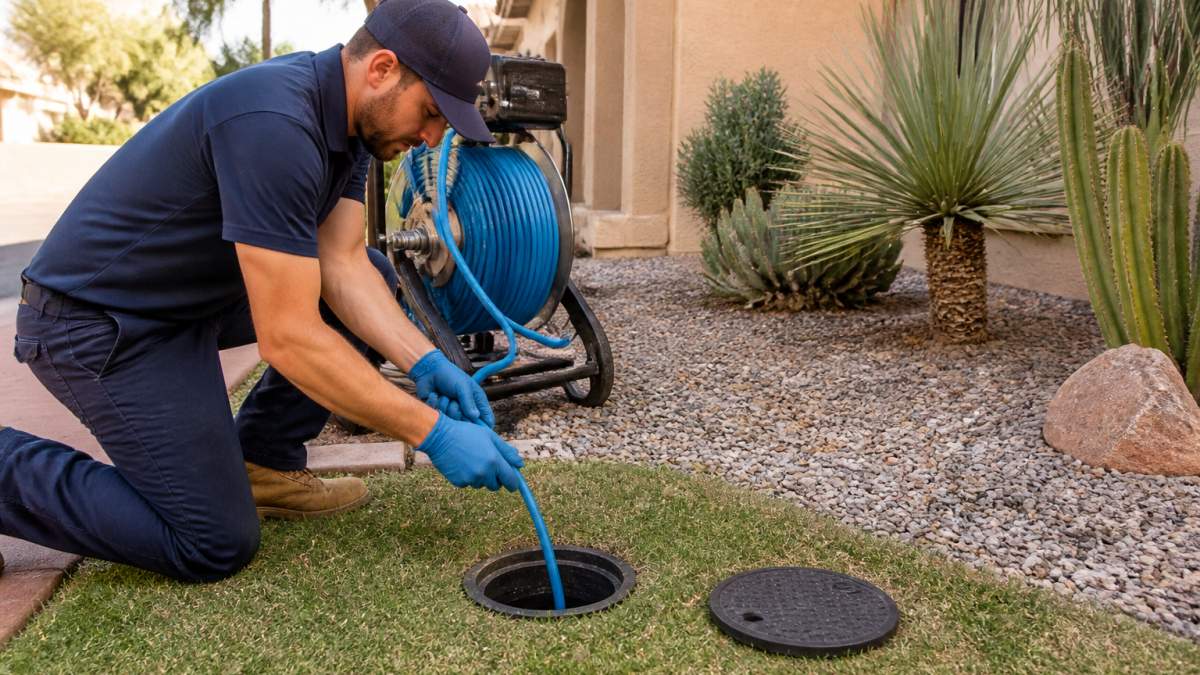
Pipe lining is the most common trenchless method.
Pipe bursting suits severely damaged lines: a new pipe is pulled through the old one, breaking it apart as it goes, with minimal digging.
The tradeoff: trenchless methods work best on pipes that aren’t completely collapsed and have no severe misalignment. A camera inspection determines suitability.
Questions to Ask a Sewer Repair Company Before You Hire
Before committing to any sewer repair, get answers to specific questions.
Ask how they diagnosed the problem. Did they use a camera?
Ask what repair method they recommend and why.
Ask about their warranty or guarantee. How long does the repair hold?
Ask about licensing and insurance.
Ask about pricing transparency. Request an itemized estimate breaking down labor, materials, and equipment.
Ask about their emergency response time.
How to Evaluate and Compare Service Estimates
Two estimates for the “same” sewer repair can differ by thousands because they rarely quote the same scope.
The components every sewer repair estimate should itemize
A complete estimate for sewer line repair or replacement typically includes these cost categories.
| Component | What it covers | Why it matters |
|---|---|---|
| Diagnostic / camera inspection | Running a camera through the line and providing footage | Without this, the repair scope is a guess |
| Access and excavation | Digging, cutting concrete, or creating cleanout access | Often the largest single line item on traditional repairs |
| Labor | Crew hours for the repair itself | Varies with method and pipe length |
| Materials | Pipe, liner, fittings, resin, couplings | Material choice affects both price and lifespan |
| Permits | Local permit fees and inspection scheduling | Some jurisdictions require a permit for main line work |
| Restoration | Backfill, compaction, sod, concrete, or hardscape repair | Frequently omitted from low bids, then added later |
| Cleanup and disposal | Hauling away spoil, old pipe, and debris | Easy to overlook until the crew leaves a pile behind |
| Warranty | Written guarantee on labor and materials | A warranty is part of the value, not an add-on |
Why the same repair gets different prices
When two estimates diverge, the difference usually comes from one of these:
- Different recommended methods. One provider may propose spot repair; another full replacement. These are different jobs, not competing prices.
- Different access assumptions. One may assume an existing cleanout; the other a trench through a finished yard or driveway.
- Different restoration scope. A low bid may exclude sod, concrete, or hardscape repair a higher bid includes.
- Different materials. Cast iron, PVC, HDPE, and cured-in-place liners have different costs and service lives.
- Different permit handling. A provider who pulls the permit does more work than one who tells you to pull it yourself.
A framework for side-by-side comparison
Build a grid with one column per provider and one row per component from the table above.
Then answer these for each column:
- Is the diagnosis based on camera footage or symptoms alone?
- Is the recommended method the least invasive option that solves the problem, or the most comprehensive?
- Does the price include permits and restoration, or are those billed separately?
- Is the warranty written, and does it cover labor and materials?
- Is the price a firm quote or an estimate subject to change once work begins?
Red flags in a sewer repair estimate
- No camera inspection before a replacement recommendation. Recommending full replacement without footage is guessing.
- A single lump-sum price with no breakdown. You cannot compare what you cannot see.
- A price dramatically lower than every other bid. Ask what is excluded, usually restoration, permits, or both.
- Pressure to sign the same day. A legitimate repair will still be needed tomorrow.
- No written warranty. Verbal guarantees are not enforceable the way a written one is.
Watch Out
A low bid is not automatically a bad bid, and a high bid is not automatically a thorough one. The only reliable comparison is line-by-line, against the same scope of work.
A low bid is not automatically a bad bid, and a high bid is not automatically a thorough one. The only reliable comparison is line-by-line, against the same scope of work.
Questions that surface hidden costs
Ask each provider directly:
- Is the diagnostic fee credited toward the repair if I proceed?
- Does the price include pulling the permit and the inspection?
- Who is responsible if excavation damages irrigation, landscaping, or a driveway?
- Is disposal of old pipe and spoil included?
- What is the payment schedule, and is a deposit required?
Financing and payment considerations
Sewer replacement is often unplanned, so payment terms matter as much as the total.
Key Takeaway
The estimate is not a price, it is a scope of work. Compare the scope first, then the number. A complete estimate with a clear scope is worth more than a low number with blanks in it.
The estimate is not a price, it is a scope of work. Compare the scope first, then the number. A complete estimate with a clear scope is worth more than a low number with blanks in it.
Frequently Asked Questions
What are the main differences between a local plumber and a national chain for sewer repair?
Local plumbers typically offer personalized service, faster response times, and direct communication with the owner or manager. National chains have established protocols and may handle larger-scale operations. Local providers often specialize in regional pipe conditions and soil types, while chains deploy standardized procedures across many markets. For emergency sewer repair, local plumbers frequently respond faster and may provide more flexible scheduling. Both can deliver quality work, the difference often comes down to communication style, availability, and whether you value a direct relationship with your service provider.
Do I really need a sewer camera inspection before approving a repair?
Yes, a sewer camera inspection provides visual proof of the problem, eliminating guesswork. It shows exactly where blockages, cracks, or root intrusion exist, which helps the contractor recommend the right repair method. Without a camera inspection, you risk paying for unnecessary work or incomplete solutions. A good sewer repair company will use camera inspection to document the condition, explain findings with photos or video, and justify their repair recommendation. This transparency helps you make an informed decision and avoid future problems from the same cause.
Can sewer line repairs be done without digging up my yard?
Yes, trenchless sewer repair uses pipe lining or pipe bursting technology to fix or replace damaged sections without major excavation. Trenchless methods require only small access points and restore pipe integrity with minimal yard disruption. This approach works well for cracks, corrosion, and root damage. However, severe collapses or misaligned sections may still require traditional excavation. Your contractor should evaluate the damage with a camera inspection and explain which method applies to your situation, along with the trade-offs in cost, timeline, and long-term durability.
What questions should I ask a plumber before hiring them for sewer repair?
Ask about their license, insurance, and experience with your specific problem. Request a camera inspection and written estimate that breaks down labor, materials, and any permits. Clarify the repair method they recommend and why it’s the best choice for your situation. Ask about guarantees or warranties on their work, how long the repair typically takes, and whether they handle permits and inspections. Find out their response time for emergencies and whether they offer financing. Finally, ask for references from recent sewer repair jobs and verify they’re licensed and bonded in your state.